
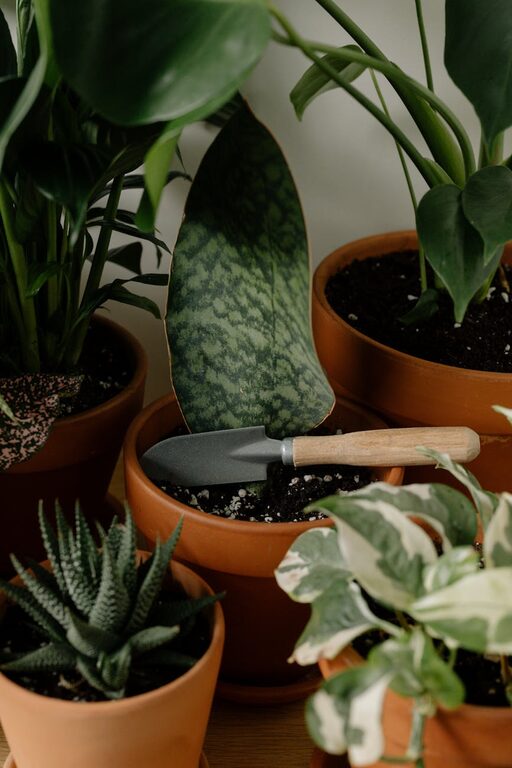
Bringing houseplants into your home is a wonderful way to add life, color, and even improve air quality. However, keeping these green companions healthy can sometimes feel like a challenge, especially if you’re new to plant care. The good news is that with a little attention and understanding, anyone can enjoy thriving houseplants. In this post, we’ll explore practical and easy-to-follow tips to keep your houseplants happy and growing strong.
Understanding Your Houseplants’ Needs
Every plant species has its own requirements for sunlight, water, and soil, so the first step in keeping your plants healthy is to learn about the specific needs of each one.
Light Requirements
Light is essential for photosynthesis, which allows plants to make their own food.
– Bright Light Plants: Succulents, cacti, and many flowering houseplants thrive in bright, direct light. Placing them near south-facing windows is ideal.
– Indirect Light Plants: Many common houseplants, like pothos and peace lilies, prefer bright but indirect light.
– Low Light Plants: Snake plants and ZZ plants can tolerate lower light conditions, which means they can survive in rooms without much natural light.
Tip: Observe your plants for signs of too much or too little light. Pale, yellowing leaves often indicate too much sun, while slow growth or leaning towards the window can mean insufficient light.
Watering Basics
Water is critical, but overwatering is one of the most common mistakes.
– Stick to a consistent watering schedule, but always check soil moisture before watering. Most plants prefer their soil to dry out slightly between waterings.
– Use room-temperature water to avoid shocking roots.
– Ensure pots have drainage holes to prevent water from pooling at the bottom.
Soil and Fertilizer
– Use well-draining soil that fits your plant’s needs. For example, cactus mix is perfect for succulents, while potting soil with peat suits tropical plants.
– Fertilize during the growing season (spring and summer) with a balanced, water-soluble fertilizer about once a month. Avoid fertilizing in winter when many plants go dormant.
Creating a Healthy Environment
The environment in your home can greatly affect your plants’ well-being.
Humidity Levels
Many houseplants, especially tropical varieties, like higher humidity.
– Increase humidity by misting plants regularly, grouping plants together, or placing a shallow tray of water near the plants.
– Consider using a humidifier if your home is particularly dry, especially in winter months.
Temperature
Most houseplants prefer temperatures between 65°F and 75°F (18°C – 24°C).
– Avoid placing plants near drafts, heating vents, or air conditioners, which can cause stress.
– Keep plants away from cold windows during winter.
Preventing and Managing Common Problems
Healthy plants are less prone to pests and diseases.
Pests
Common pests include spider mites, aphids, and mealybugs.
– Regularly inspect your plants for signs of infestation, such as sticky residue, small webs, or discolored spots.
– If you spot pests, treat them promptly with insecticidal soap or natural remedies like neem oil.
Diseases
Fungal infections and root rot can develop from overwatering.
– Avoid wetting the leaves unnecessarily.
– Ensure good air circulation around plants.
– If root rot is suspected, trim away affected roots and repot the plant in fresh soil.
Practical Tips for Busy Plant Owners
If you have a hectic schedule, these tips can help keep your plants healthy without too much effort:
– Choose low-maintenance plants like snake plants, pothos, or spider plants.
– Use self-watering pots or watering globes for consistent moisture.
– Set reminders to check plant health weekly.
Closing Thoughts
Keeping houseplants healthy doesn’t have to be complicated. By understanding their light, water, and soil needs, creating a supportive environment, and proactively managing problems, you can enjoy lush, vibrant greenery indoors. With patience and care, your plants will reward you with beauty and freshness in your living space.
Happy planting!