
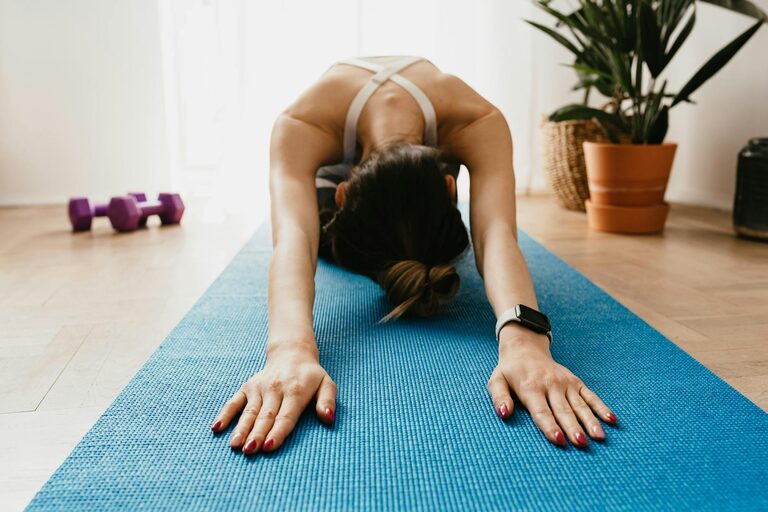
Stretching is a simple yet powerful way to improve your overall well-being. It helps increase flexibility, reduces muscle tension, and can even boost your mood. The best part? You don’t need a gym or fancy equipment to stretch effectively. All you need is a little space at home and some guidance to get started.
In this beginner’s guide, we’ll walk you through everything you need to know to start stretching at home safely and effectively.
Why Stretching Matters
Stretching regularly offers many benefits, especially if you spend a lot of time sitting or have a busy lifestyle. Here are a few reasons why stretching should be part of your routine:
– Improves flexibility: Helps your muscles and joints move more freely.
– Reduces stiffness and pain: Especially helpful for neck, back, and leg discomfort.
– Enhances circulation: Stretching increases blood flow to your muscles.
– Prevents injury: Preparing your muscles before exercise lowers the risk of strains.
– Relieves stress: Stretching can promote relaxation and reduce tension.
How to Prepare for Stretching at Home
Before you start, set yourself up for success:
Choose a Comfortable Space
Find a quiet, spacious area where you can move freely without distractions. A yoga mat or soft carpet can add comfort.
Dress Appropriately
Wear loose, comfortable clothes that allow full range of motion.
Warm-Up Briefly
Although stretching itself is gentle, warming up with 3–5 minutes of light activity like marching in place or arm circles helps loosen up your muscles.
Basic Stretching Techniques for Beginners
When you’re starting out, it’s important to focus on proper form and breathe deeply during each stretch. Hold each stretch for 15–30 seconds and repeat 2–3 times.
Neck Stretch
- Sit or stand upright.
- Gently tilt your head toward your right shoulder until you feel a stretch on the left side of your neck.
- Hold, then switch sides.
- Extend your right arm across your chest.
- Use your left hand to gently press your right arm closer to your chest.
- Hold, then repeat with the other arm.
- Stand with your feet shoulder-width apart.
- Clasp your hands behind your back.
- Straighten your arms and lift your chest slightly, feeling the stretch across your chest and shoulders.
- Kneel on hands and knees.
- Arch your back upward like a cat, pulling your belly in.
- Then, lower your back, lifting your head and tailbone toward the ceiling.
- Repeat slowly for 5–10 rounds.
- Sit on the floor with both legs extended.
- Reach forward toward your toes while keeping your back straight.
- Hold the stretch without bouncing.
- Stand with support (like a wall or chair).
- Bend your right knee and bring your heel toward your buttocks.
- Hold your ankle with your right hand to feel the stretch along the front of your thigh.
- Switch legs.
- Stand facing a wall.
- Place your hands on the wall and step your right foot back, keeping it flat on the floor.
- Bend your left knee slightly and lean forward.
- You should feel a stretch in your right calf. Switch legs.
Shoulder Stretch
Chest Stretch
Cat-Cow Stretch (For Back and Spine)
Hamstring Stretch
Quadriceps Stretch
Calf Stretch
Tips for Effective Stretching
– Don’t force it: Stretch gently till you feel tension, not pain.
– Breathe deeply: Deep breaths help your muscles relax.
– Be consistent: Try stretching daily or at least 3 times a week for best results.
– Mix it up: As your flexibility improves, try incorporating new stretches.
When to Stretch
Stretching can be done at various times throughout your day:
– Morning: Wake up your muscles and joints after sleep.
– Before exercise: Warm up your muscles with dynamic stretches (moving stretches).
– After exercise: Cool down with static stretches (holding stretches).
– During breaks: Relieve tension if you work at a desk or sit for long periods.
Safety Considerations
While stretching is generally safe, keep these points in mind:
– Avoid bouncing or jerky movements.
– Stop if you feel any sharp or sudden pain.
– Consult a doctor if you have any pre-existing injuries or conditions.
– Don’t overstretch muscles that feel weak or injured.
Final Thoughts
Starting a stretching routine at home is a great way to take care of your body with minimal effort and cost. Over time, you’ll likely notice better posture, less stiffness, and greater ease in your daily movements. Remember to take it slow, listen to your body, and enjoy the process of getting more flexible and relaxed.
Ready to start? Roll out your mat, pick a few stretches from this guide, and give yourself the gift of flexibility today!